Conservation Area & Heritage Planning Objections
Professional planning support to protect historic buildings, conservation areas and local character
Contact Cedar Planning today for a free initial appraisal.
Protecting Historic Areas, Listed Buildings and Local Character
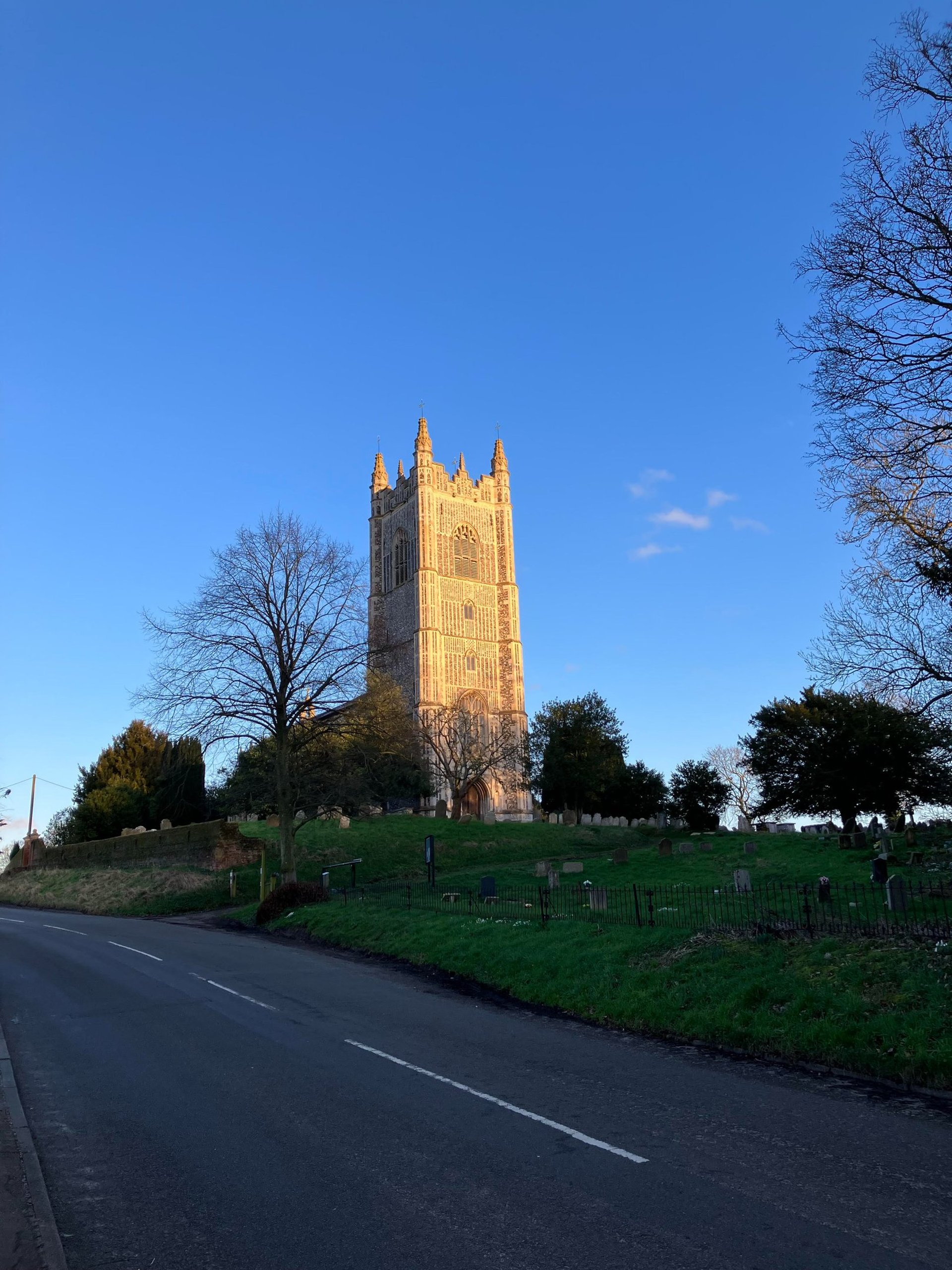
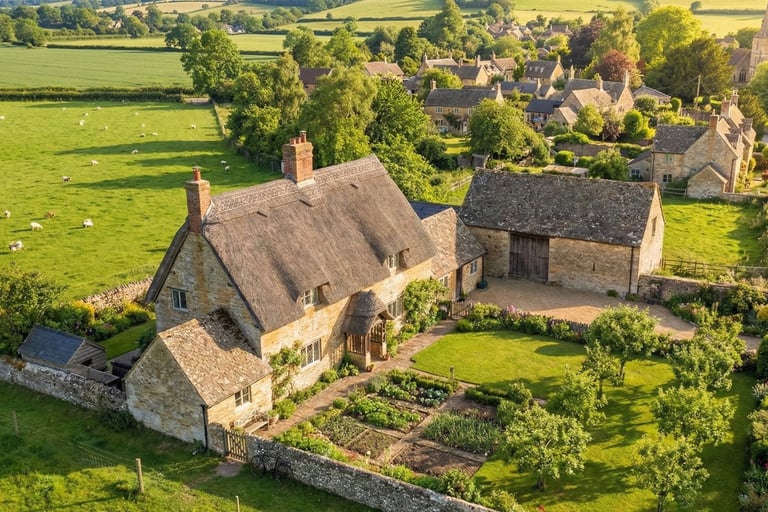
Development within Conservation Areas or affecting heritage assets is subject to special legal and policy protections. If a proposal threatens the character, appearance or historic significance of your area, you may have strong grounds to object.
Cedar Planning prepares professional, policy-led heritage and conservation planning objections, ensuring your concerns are clearly presented and properly evidenced.
We support homeowners, residents, conservation groups, parish councils and community organisations across England.
Why Heritage and Conservation Matters in Planning
Unlike many other planning considerations, heritage protection is underpinned by statutory duties.
Local planning authorities must:
Preserve or enhance the character and appearance of Conservation Areas
Have special regard to the desirability of preserving listed buildings and their settings
Give great weight to the conservation of designated heritage assets
Carefully assess harm, even where proposals appear minor
Heritage decisions are shaped by:
The National Planning Policy Framework (NPPF)
Local Plan heritage policies
Conservation Area Appraisals
Conservation Area Management Plans
Historic England guidance
Cedar Planning structures objections around these documents to clearly demonstrate harm and policy conflict.
What Constitutes Heritage Harm in Planning Terms
You may have strong grounds to object where a proposal:
Fails to preserve or enhance a Conservation Area
Harms the setting of a listed building
Introduces excessive scale, bulk or massing
Uses inappropriate materials or detailing
Removes or alters historic architectural features
Blocks or disrupts important historic views
Introduces unsympathetic dormers or roof alterations
Demolishes buildings that make a positive contribution
Introduces modern design that conflicts with historic character
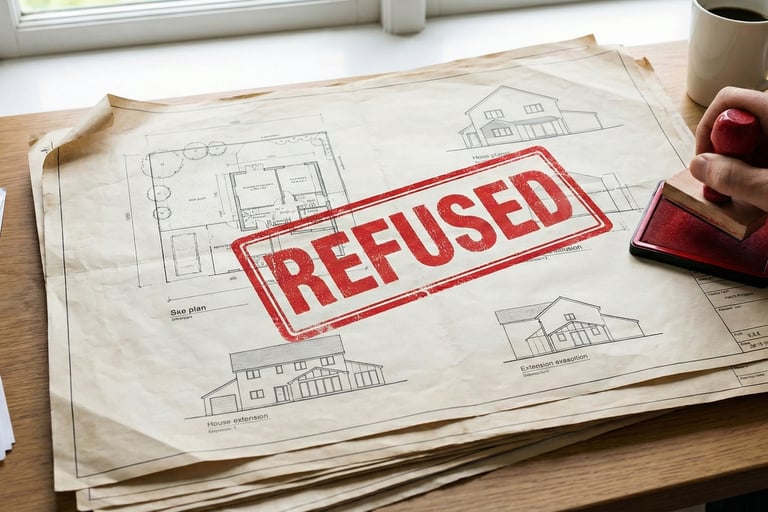
Importantly, heritage harm does not need to be dramatic — cumulative or incremental changes can still justify refusal.
If your concerns include other issues such as overlooking, overdevelopment, or Green Belt impacts, see our full Planning Objections Guide.


How Planning Authorities Assess Heritage Objections
When determining applications affecting heritage assets, councils must consider:
The significance of the heritage asset
The degree of harm (substantial or less than substantial)
Whether harm is clearly and convincingly justified
Whether public benefits outweigh identified harm
Compliance with Local Plan heritage policies
At Cedar Planning, we apply these tests directly to the proposal and explain why harm is unacceptable or insufficiently justified.


What Cedar Planning Can Do for Your Heritage or Conservation Objection
We tailor our service to meet your needs, which may include:
Initial Case Review
Assessment of drawings, heritage statements, site history and conservation context.
Advice on Valid Grounds for Objection
Clear explanation of which heritage impacts are material and defensible in planning terms.
Professional Written Objection
A structured objection letter referencing heritage legislation, Local Plan policies and NPPF heritage tests.
Support for Neighbour and Community Groups
Assisting groups to coordinate consistent, policy-led heritage objections.
Planning Committee Support
Preparation of speaking notes or strategic advice for committee-determined applications.
Our Process
You provide the planning reference and heritage concerns
We review the proposal and identify heritage impacts
We advise on the strength of potential objections
We prepare a professional, policy-led submission
We support you through amendments or committee stages if required


Why Use Cedar Planning for Your Heritage or Conservation Objection?
Policy-led objections written in professional planning language
Strong understanding of heritage legislation and NPPF tests
Experience with Conservation Areas and listed-building settings
Clear, structured representations officers and councillors can rely on
Time saved analysing drawings and heritage documents
A constructive, outcome-focused approach
Areas We Cover
We provide heritage and conservation planning objection services across all of England, including:
London (all boroughs), Essex, Hertfordshire, Suffolk, Norfolk, Cambridgeshire, Surrey, Birmingham and Greater Manchester.
Contact Cedar Planning – Free Appraisal
If you are concerned about the impact of a development on a Conservation Area or heritage asset, contact Cedar Planning for a no-obligation appraisal.
Contacts
Email: info@cedarplanning.co.uk
Phone: 07418 610156
Office (by appointment only) Cedar Planning Ltd, 82a James Carter Road, Mildenhall, Bury St Edmunds, IP28 7DE
Click the above button for a free Whatsapp consultation