
Oppose a Planning Application With a Voice That Gets Heard.
Cedar Planning prepares professional, policy-led planning objection statements that planning officers and councillors are required to consider — giving your concerns the weight they deserve in the decision-making process.
Your Objection Needs to Be Grounded in Planning Policy
Planning officers must consider the material planning matters raised in representations. A letter expressing only personal displeasure is unlikely to influence the outcome, whereas an objection that identifies specific policy conflicts, planning harm and supporting evidence gives the Council clear planning issues to assess.
Cedar Planning ensures your concerns are translated into the planning language that decision-makers are required to consider. We identify the relevant policy framework, explain the planning harm and present the case in a clear, structured format that is easy for decision-makers to assess.
Whether you are a neighbour, a business owner, a residents' group, an amenity society or a parish council, we give you the strongest possible voice in the planning process.
Loss of light, overshadowing or loss of privacy to neighbouring properties.
Overbearing or visually dominant development causing harm to character and appearance.
Impact on Green Belt, conservation areas, heritage assets or listed buildings. See our Green Belt objection case study.
Conflict with local or national planning policies, including the Local Plan and NPPF.
Unsustainable location or insufficient infrastructure capacity.
Traffic generation, parking stress, servicing problems or highway safety concerns.
Harm to biodiversity, protected trees, protected species or ecological networks.
Flood risk, drainage impact or failure to address surface water issues.
Noise, disturbance or harmful impacts on neighbouring residential amenity.
Defending the Green Belt, Heritage Assets and Local Infrastructure
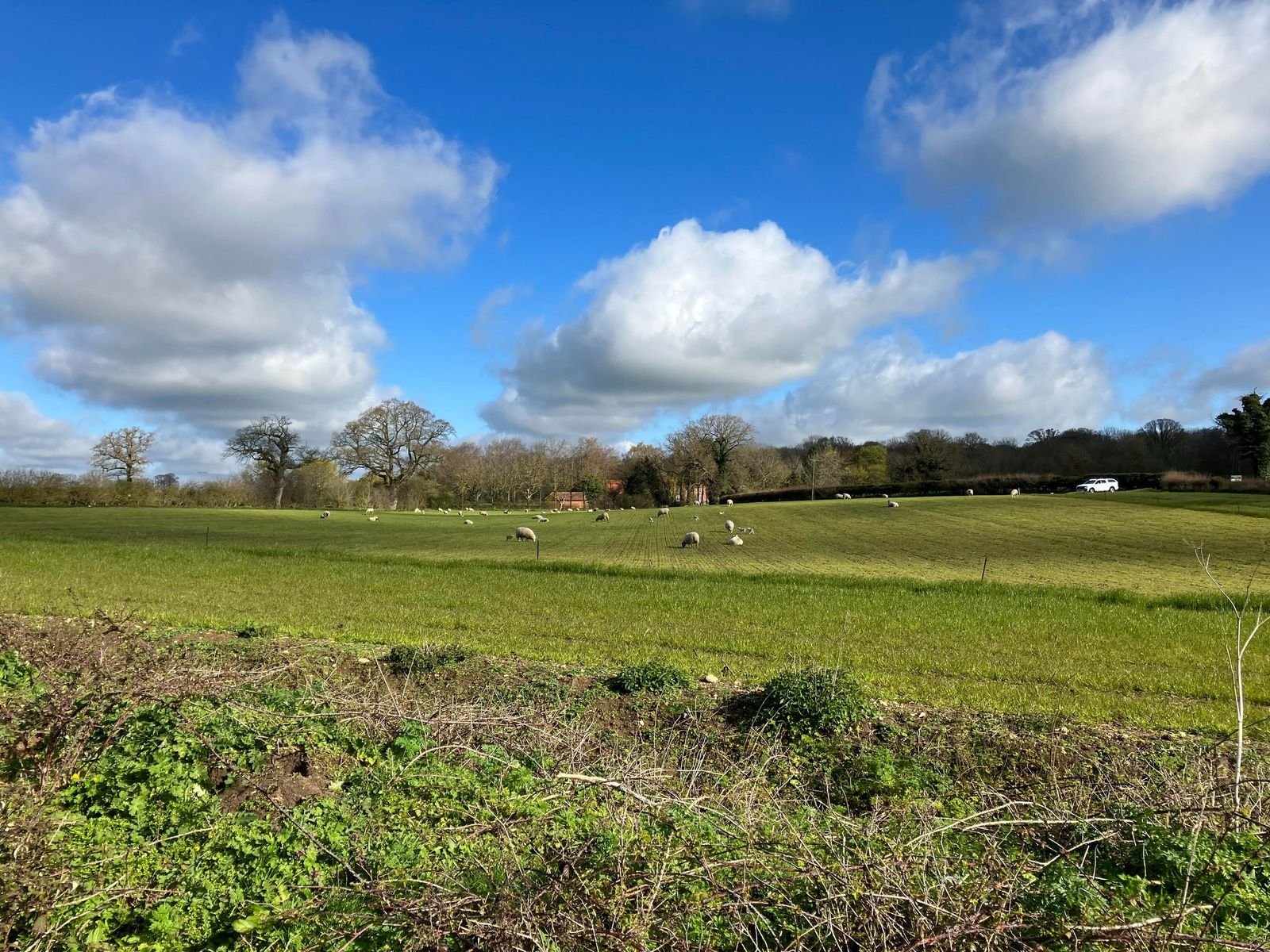
Cedar Planning acted on behalf of concerned local residents to challenge a major development proposal in South Staffordshire. Our objection brought together a coordinated planning case addressing Green Belt and Grey Belt policy, heritage, landscape impact, trees, highways and infrastructure capacity.
The case demonstrates how a professionally prepared planning objection can go beyond individual concerns and bring together planning policy, technical evidence and specialist advice into a clear case for the Local Planning Authority.
A Coordinated, Evidence-Led Objection
Planning strategy supported by specialist heritage and transport evidence, addressing multiple material planning considerations.
What Our Planning Objection Service Includes
We handle the entire process, from reviewing the application documents through to preparing a professionally written, policy-led objection. Our role is to identify the planning harm, test the proposal against relevant policy and submit a clear representation that the Council can properly take into account.
Application & Document Review
We analyse the planning application, drawings and supporting documents to identify weaknesses, omissions and policy conflicts that can be challenged.
Site & Context Analysis
We assess the site in its local context, considering how the proposed development would affect surrounding amenity, local character and planning constraints.
Policy Grounds Identification
We identify the relevant Local Plan policies and national guidance that the application may conflict with — the foundations of an effective objection.
Formal Objection Statement
We prepare a structured objection letter that explains the planning harm clearly and gives officers planning reasons to refuse, amend or condition the proposal.
Group & Community Objections
We coordinate group objections for residents' associations, local groups and parish councils, consolidating multiple concerns into one stronger statement.
Submission & Deadline Management
We prepare the final objection for submission to the local council, helping ensure the representation is ready before the consultation deadline.
Looking for help with a particular type of planning objection?
Different applications raise different planning tests. Our specialist objection pages provide more focused guidance where the proposal involves an HMO, loss of light and amenity, or a London planning application.
We Support Everyone With a Stake in a Planning Decision
From individual neighbours to organised community groups, we give every client the same professional, policy-grounded voice in the planning system.
Neighbours & Homeowners
Concerned about an extension, new build or change of use next door? We translate your concerns into a credible, policy-based objection.
Residents' Groups & Associations
We consolidate the concerns of multiple households into a single, unified objection that is more structured than individual letters.
Business Owners
A proposed development nearby could harm your operations, access or trade. We prepare commercial objections addressing planning impacts.
Parish & Town Councils
We support local councils in preparing formal objections to planning applications within their parish boundaries.
Heritage & Amenity Groups
We help amenity societies and heritage groups challenge applications that threaten conservation areas, listed buildings or local character.
Local Plan Consultations
We also prepare representations to emerging Local Plan policies and site allocations, protecting your interests at the policy-making stage.
Concerned About a Planning Application Near You?
Get an initial review from a Chartered Town Planner. We will tell you whether you have strong planning grounds for objection and provide a fixed-fee quote if we can help.
We respond within 1 working day · Free initial review · Completely confidential
A consultancy that works for you
RTPI Chartered
Led by a Chartered member of the Royal Town Planning Institute with experience across residential, commercial and appeal work.
Honest Prospects
We tell you the truth about your objection's chances from day one — even when it is not what you want to hear.
Fixed, Transparent Fees
Every project is quoted with a clear fixed fee upfront, so you know exactly what you are paying.
Fast Turnaround
Reports are delivered within agreed timescales, with urgent deadlines available subject to capacity.
Nationwide Coverage
Worked across 125+ Local Planning Authorities, giving us experience of how different councils assess objections.
Policy-Led, Not Just Emotional
We ensure every concern is framed around material planning considerations — the only grounds that can influence the planning decision.
How to Object to a Planning Application in England
A planning objection is an opportunity to explain why a proposed development may conflict with planning policy or cause unacceptable planning harm. The strongest objections do more than express concern: they identify the relevant issues, review the evidence submitted with the application and explain clearly why the proposal should be amended or refused.
What Is a Planning Objection?
A planning objection is a written representation submitted in response to a planning application. It can be made by a neighbour, local resident, business, parish or town council, residents' association, amenity society, community group or any other interested party. You do not normally have to live immediately next to the site in order to comment, although the planning relevance of the issues raised remains important.
The local planning authority must determine the application in accordance with the development plan unless material considerations indicate otherwise. Public representations form part of that assessment where they raise matters that are relevant to planning. An objection is therefore not a vote against the development. Its purpose is to draw the decision-maker's attention to planning impacts, policy conflicts, deficiencies in the submitted evidence or changes that may be needed to make the proposal acceptable.
The number of objections is not usually decisive by itself. A large petition or many short comments may demonstrate the level of local concern, but the Council must still assess the planning merits of the proposal. Equally, a single detailed objection can be influential where it identifies a significant issue that has not been adequately addressed by the applicant.
There is no national threshold at which a planning application is automatically refused. The strength of the planning grounds, the supporting evidence and the degree of harm are normally more important than the number of people objecting.
Material Planning Considerations and Valid Grounds for Objection
Planning officers can only give weight to matters that are relevant to the use and development of land. These are commonly described as material planning considerations. The relevance and weight of each issue will depend on the type of proposal, the site's location, its surroundings, the development plan and the evidence available.
For a householder extension, the key issues may include privacy, outlook, daylight, sunlight, overshadowing, design and the relationship with neighbouring homes. A larger housing or commercial development may raise wider questions relating to landscape, highways, drainage, ecology, infrastructure, heritage, noise or the principle of development in that location. Our South Staffordshire planning objection case study provides an example of several of these matters being considered together.
Issues that may influence the decision
- Loss of privacy, overlooking or an unacceptable effect on neighbouring amenity.
- Loss of daylight or sunlight, excessive overshadowing or an overbearing impact.
- Poor design or harm to local character, townscape, landscape or visual amenity.
- Highway safety, access, traffic, servicing or parking impacts.
- Noise, disturbance, odour, lighting or unsuitable operating hours.
- Flood risk, drainage, ecology, trees, biodiversity or land stability.
- Harm to listed buildings, conservation areas or other heritage assets.
- Conflict with the Local Plan, neighbourhood plan, national policy or adopted guidance.
Concerns that are generally not planning matters
- A possible reduction in the value of a property.
- Loss of a private view across land that is not within your control.
- Competition with an existing business.
- Private boundary, ownership or restrictive covenant disputes.
- The applicant's identity, character or personal circumstances.
- General opposition without a clearly identified planning impact.
- Private rights to light, which are legally distinct from planning amenity assessments.
- Construction inconvenience where the matter is controlled by other legislation.
Some concerns sit across more than one area of law. For example, a private right to light is a separate legal matter, but the effect of a development on daylight, sunlight and living conditions may still be relevant to the planning assessment. A boundary dispute may be a civil matter, while the height and proximity of a proposed building to that boundary may still be relevant to privacy, outlook or character.
HMO applications can involve additional issues such as Article 4 Directions, HMO concentration, housing mix and the intensity of occupation. See our dedicated HMO Planning Objection service for specialist guidance.
Review the Planning Application Before Preparing Your Objection
A persuasive planning objection should respond to the actual development proposed rather than relying only on the brief description in a neighbour notification letter. The Council's online planning portal will normally contain the application form, existing and proposed drawings, site plans and any supporting reports submitted by the applicant.
Start with the drawings
Check the site plan, floor plans, elevations and sections together. Consider the height, depth, width and position of new buildings; the location and orientation of windows and balconies; changes in ground levels; separation distances; access arrangements; parking areas; landscaping; and the relationship with neighbouring properties or other sensitive uses. A proposal that appears modest on one drawing may have a greater impact when its full height, level changes or relationship with surrounding development is understood.
Read the supporting reports
Larger or more complex applications may include a Planning Statement, Design and Access Statement, Heritage Statement, Transport Assessment, Flood Risk Assessment, ecological reports, arboricultural information, noise evidence or other technical documents. These reports may contain assumptions, survey results or conclusions that should be checked against the drawings, site conditions and relevant policy requirements.
Check the planning history and policy context
Previous refusals, appeal decisions and earlier permissions can provide useful context, particularly where similar issues have already been considered. Nearby approvals may also be relevant, but they are not automatically direct precedents: differences in design, scale, site layout, planning history or surrounding character can affect how much weight they carry. The current Local Plan, neighbourhood plan, adopted supplementary guidance and national planning policy should also be reviewed where relevant.
The detailed plans and supporting documents are often where the most important planning impacts, inconsistencies or evidence gaps become apparent.
How to Write an Effective Planning Objection
There is no mandatory national template for a planning objection letter. However, a clear and logical structure makes it easier for the case officer and, where relevant, planning committee members to identify the issues being raised. A focused objection based on a small number of strong planning grounds will often be more useful than a long list that mixes material concerns with personal or non-planning matters.
Confirm the application details
State the planning reference, site address and that you object to the proposal. Check the Council's consultation deadline and the accepted method of submission.
Summarise your position clearly
Provide a short opening explanation of the principal concerns. This helps the reader understand the overall case before considering the detailed grounds.
Organise the objection by planning issue
Use clear headings for matters such as design, neighbouring amenity, heritage, highways, ecology or flood risk. Avoid repeating the same point in several different sections.
Explain the likely harm
Describe how the proposal would affect the site, surrounding area or neighbouring properties. Be specific about scale, distance, orientation, levels and the people or places likely to be affected.
Refer to relevant policy and evidence
Where appropriate, identify the Local Plan policies, design guidance, neighbourhood plan policies, technical standards or submitted evidence that relate to the concern.
State the outcome you are seeking
Explain whether permission should be refused, whether amendments may address the concern, or whether further information is needed before the application can be properly determined.
Avoid personal criticism of the applicant, exaggerated claims and unnecessary repetition. These can distract from otherwise valid planning arguments. It is normally better to explain the likely harm accurately and support the point with policy, drawings, photographs or other relevant evidence where available.
How the Planning Objection Process Works
Once a planning application has been validated, the local planning authority will publicise it in the way required for that type of application. This may include neighbour notification letters, a site notice, a press notice and publication on the Council's planning website. Consultation periods are commonly at least 21 days, although the precise arrangements and deadline can vary.
Comments are usually submitted through the Council's online planning portal, although some authorities also accept representations by email or post. Most councils require the objector's name and address. Planning representations form part of the public application record, but publication and redaction practices differ between authorities, so the relevant privacy notice should be checked before including personal or sensitive information.
The case officer will review the material planning matters raised alongside the application documents, consultation responses, planning policies, site circumstances and any other relevant considerations. The officer's report should identify the main planning issues and explain the reasoning behind the recommendation or decision. The Council is not required to agree with every objection, but it should take relevant planning matters into account.
Many applications are determined by planning officers under delegated powers. Others may be referred to a planning committee in accordance with the Council's constitution and local procedures. Some councils use objection thresholds or councillor call-in arrangements as part of their committee referral process, but these rules differ and a committee hearing does not mean the application will necessarily be refused.
Applicants may submit amended plans or additional information during the application process. The Council will decide whether further consultation is necessary. It is therefore sensible to monitor the application after submitting an objection, particularly where design changes, technical evidence or a revised description may affect the issues you originally raised.
Why Professional Planning Objection Support Can Help
Not every application requires a professionally prepared objection. A straightforward concern can sometimes be explained effectively by a neighbour or local resident. Professional support may be more valuable where the proposal is complex, the policy position is unclear, the supporting documentation is extensive or several planning issues need to be brought together into a coordinated case.
A planning consultant can review the drawings, supporting reports, planning history and relevant policies before advising which concerns are likely to be material. This can help separate understandable personal concerns from the planning arguments most likely to influence the Council's assessment. It can also identify evidence gaps, inconsistencies or alternative grounds that may not be immediately apparent from the application description alone.
A professionally prepared objection does not receive automatic additional weight and cannot guarantee that an application will be refused. Its value lies in ensuring that the relevant issues are identified, researched and presented clearly, with appropriate reference to policy, evidence and the particular circumstances of the site.
Cedar Planning supports neighbours, residents, businesses, parish and town councils, amenity societies and community groups across England. Our objection statements are prepared by RTPI-qualified Chartered Town Planners and are tailored to the application rather than produced from a standard template.
Common Questions About Planning Objections
Can I object to a planning application anonymously?
Most local planning authorities require your name and address before accepting a representation. The information displayed publicly and the way personal information is redacted varies between councils, so check the authority's planning consultation guidance and privacy notice before submitting.
How many objections are needed to stop a development?
There is no national number of objections that automatically results in refusal. Decisions are based on the planning merits of the proposal and the weight of material considerations. The number of objections may affect local committee procedures in some councils, but it does not replace the need for valid planning grounds.
Does an objection guarantee that the application will be refused?
No. The Council must assess the application as a whole and balance the relevant considerations. An objection may lead to amendments, additional evidence, planning conditions or refusal, but no particular outcome can be guaranteed.
Can I object after the consultation deadline?
Some councils continue to accept comments while an application remains undetermined, but this should not be assumed. Late comments may leave less time for the issues to be reviewed and there is no guarantee that they will be considered. It is normally best to submit within the published deadline.
Can a planning application be changed because of objections?
Yes. Applicants sometimes submit amended drawings or further information in response to objections, consultee comments or case officer concerns. The Council decides whether additional consultation is required based on the nature and scale of the changes.
Planning Objections FAQs
Understanding the planning process can be confusing, especially when every site and proposal is different. Our Frequently Asked Questions page covers common issues for planning objections, including who can object, what counts as a valid planning objection and how objections are considered by the Council.
Popular Questions
Get in touch
If you are concerned about a local development or proposal, contact Cedar Planning today for a no obligation quote for our services.